
Can I use a steam mop on hardwood floors? Featured Snippet
Yes, you can use a steam mop on hardwood floors only if the flooring is completely sealed and the manufacturer allows steam cleaning. Excess moisture and heat can damage unsealed, waxed, or engineered wood floors. Using the lowest steam setting and keeping the mop moving helps reduce the risk of warping or finish damage.
Table of Contents
- Can You Safely Use a Steam Mop on Hardwood Floors?
- Why Hardwood Floors Require Special Care
- When Steam Cleaning Is Safe
- Types of Hardwood Floors Explained
- Best Steam Mop Practices
- Steam Mop vs. Traditional Mop
- Common Mistakes to Avoid
- Final Verdict
- FAQs
Can I Use a Steam Mop on Hardwood Floors?
Hardwood floors are one of the most beautiful and valuable features in any home. They add warmth, elegance, and long-term value—but they also require proper care. One question homeowners ask repeatedly is
Can I use a steam mop on hardwood floors?
The short answer is yes—but only under specific conditions.
Many people assume steam automatically sanitizes and cleans better than a traditional mop. While steam is excellent for sealed tile, stone, and other hard surfaces, hardwood is much more sensitive to moisture and heat. Using the wrong cleaning method can shorten the life of your flooring, dull the finish, or even cause permanent damage.
The good news is that modern sealed hardwood floors are often much more resistant to moisture than older wood flooring. If you know your floor type and use the correct steam mop technique, you can safely remove dirt, sticky residue, and everyday grime without soaking the wood.
In this guide, you’ll learn:
- Whether steam mopping is actually safe
- Which hardwood floors should never be steam cleaned
- How to steam clean correctly
- Expert recommendations
- Better alternatives when steam isn’t recommended
Whether you own solid hardwood, engineered hardwood, or recently installed flooring, this guide will help you make the safest cleaning decision.
Can I use a steam mop on hardwood floors? Is steam mopping safe for hardwood floors?
This is the biggest question homeowners ask—and the answer isn’t simply yes or no.
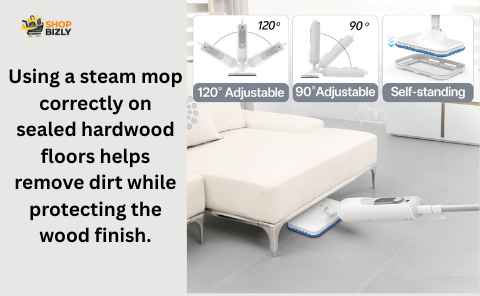
A steam mop works by heating water into hot vapor that loosens dirt while sanitizing the floor. Unlike traditional mops, it uses very little water, which sounds ideal for wood flooring. However, heat and moisture together can still be harmful if the floor isn’t properly sealed.
Steam mopping is generally safe when:
- The hardwood floor is fully sealed with polyurethane or another protective finish.
- The flooring manufacturer specifically allows steam cleaning.
- You use the lowest steam setting.
- The microfiber pad is clean.
- The mop never stays in one place for long.
When these conditions are met, many homeowners successfully use steam mops for routine maintenance.
However, not every hardwood floor is the same. Older homes often have worn finishes or small gaps between boards where steam can penetrate beneath the surface. Over time, trapped moisture may lead to swelling, cupping, or separation of the wood.
This is why flooring professionals often recommend checking your flooring warranty before introducing steam into your cleaning routine.
Can I use a steam mop on hardwood floors? Why Hardwood Floors Need Different Cleaning Methods
Unlike ceramic tile or vinyl flooring, hardwood is a natural material that continuously reacts to changes in humidity and moisture.
Wood expands when it absorbs water and contracts as it dries. Even small amounts of repeated moisture exposure can gradually affect the floor’s appearance over time.
Common problems caused by excessive moisture include:
- Warping
- Cupping
- Buckling
- Finish deterioration
- Discoloration
- Loose floorboards
Heat can also soften some protective finishes if applied repeatedly.
That doesn’t mean steam is always dangerous—it simply means hardwood requires more careful handling than other flooring materials.
Many flooring experts recommend starting with the gentlest cleaning method possible before using steam.
Daily maintenance usually involves:
- Sweeping or vacuuming to remove grit
- Cleaning spills immediately
- Using a microfiber dust mop
- Steam cleaning only when appropriate
This balanced approach helps extend the life of expensive hardwood flooring while keeping it looking new.
Can I use a steam mop on hardwood floors? When is it safe to use a steam mop?
Knowing when to use a steam mop is just as important as knowing how to use one.
In general, steam cleaning is safest when all of the following conditions are true:

Your Floor Is Properly Sealed
A sealed hardwood floor has a protective coating that prevents moisture from immediately soaking into the wood.
If water beads on the surface for a few minutes instead of soaking in, the floor is likely sealed.
Can I use a steam mop on hardwood floors? The Manufacturer Approves Steam Cleaning
Always check the care instructions that came with your flooring. Some manufacturers explicitly approve steam mops, while others warn that using one may void the warranty.
You Use the Correct Steam Mop
Modern steam mops provide adjustable steam output, allowing you to clean delicate surfaces more safely.
For example, models like the H20X5 Steam Mop include multiple cleaning modes, while a Dupray steam cleaner offers controlled dry steam designed for various sealed hard surfaces. Regardless of the machine, following the flooring manufacturer’s guidance is more important than relying on the steam mop brand alone.
You Don’t Overuse Steam
Steam cleaning shouldn’t replace everyday maintenance.
For most homes, occasional steam cleaning is enough, while regular sweeping and microfiber mopping should remain the primary cleaning routine.
Types of Hardwood Floors: Which Ones Can Be Steam Cleaned?
Not all hardwood floors respond the same way to steam. Before using any steam mop, identify the type of flooring in your home.
Sealed Hardwood Floors ✅
Sealed hardwood floors have a protective finish—typically polyurethane, aluminum oxide, or another durable coating—that helps prevent moisture from penetrating the wood.
These floors are generally the safest candidates for occasional steam cleaning if the manufacturer approves it.
Signs your hardwood floor is sealed:
- Water forms small beads instead of soaking in.
- The surface has a smooth protective finish.
- The floor is relatively new or professionally refinished.
- Your flooring guide mentions polyurethane or factory-finished protection.
Even with sealed flooring, avoid excessive steam and never leave the mop in one place for several seconds.
Unsealed Hardwood Floors
Unsealed hardwood is highly vulnerable to moisture.
Steam can quickly penetrate the wood fibers, causing:
- Swelling
- Warping
- Cracking
- Staining
- Finish failure
If you’re unsure whether your floor is sealed, assume it is not and use a dry microfiber mop until you confirm with the flooring manufacturer.
Engineered Hardwood Floors
Engineered hardwood consists of a real wood veneer bonded to multiple plywood layers.
Although engineered wood is more dimensionally stable than solid hardwood, not every product is designed for steam cleaning.
Some premium engineered floors tolerate occasional steam cleaning, while others specifically prohibit it.
Always follow the manufacturer’s cleaning instructions instead of relying on general advice online.
Can I use a steam mop on hardwood floors? Best Way to Use a Steam Mop on Hardwood Floors
If your flooring manufacturer allows steam cleaning, following the correct technique makes a significant difference.
Step 1: Remove Loose Dirt
Sweep or vacuum thoroughly before steaming.
Tiny particles like sand and grit can scratch the finish when dragged across the surface.
Step 2: Use the Lowest Steam Setting
More steam does not mean cleaner floors.
A light amount of steam is usually enough to loosen dirt while reducing moisture exposure.
Step 3: Keep the Mop Moving
Never allow a steam mop to remain stationary.
Constant movement prevents concentrated heat from damaging the finish.
Step 4: Use a Clean Microfiber Pad
Dirty pads spread grime instead of removing it.
Replace or wash microfiber pads regularly for the best results.
Step 5: Allow the Floor to Dry
Open windows or run ceiling fans if necessary.
Quick drying helps minimize moisture exposure.
Steam Mop vs. Traditional Mop for Hardwood Floors
Many homeowners wonder whether steam cleaning is actually better than using a microfiber mop.
The answer depends on your flooring and cleaning goals.
| Feature | Steam Mop | Microfiber Mop |
|---|---|---|
| Everyday Cleaning | Good | Excellent |
| Deep Cleaning | Excellent | Good |
| Moisture Risk | Moderate | Very Low |
| Safe for Unsealed Hardwood | No | Yes. |
| Chemical-Free Cleaning | Yes. | Usually no. |
| Sanitizing Ability | Excellent | Limited |
| Manufacturer-Friendly | Depends | Yes. |
| Warranty Risk | Possible | Very Low |
Which Is Better?
For routine weekly maintenance, a microfiber mop remains the safest choice.
A steam mop is better reserved for occasional deep cleaning of sealed hardwood floors where steam cleaning is permitted.
Can I use a steam mop on hardwood floors? Helpful Tips for Protecting Hardwood Floors
A few simple habits can dramatically extend the life of your flooring.
Clean Spills Immediately
Standing water is one of hardwood’s biggest enemies.
Even sealed floors benefit from quick cleanup.
Can I use a steam mop on hardwood floors? Vacuum Before Mopping
Dust and grit act like sandpaper.
Use a vacuum designed for hardwood flooring or a soft-bristle attachment.
Use Felt Pads Under Furniture
Prevent scratches by placing felt protectors under chairs, tables, and sofas.
Maintain Indoor Humidity
Wood naturally expands and contracts.
Keeping indoor humidity between 35% and 55% helps reduce seasonal movement.
Steam Less Frequently
Daily steam cleaning isn’t necessary.
For most homes, occasional steam cleaning is enough.
Can I use a steam mop on hardwood floors? Common Mistakes to Avoid
Many hardwood floor problems aren’t caused by steam itself—but by incorrect use.
Using Steam on Unsealed Floors
This is the most common mistake.
Moisture penetrates unfinished wood almost immediately.
Leaving the Mop Stationary
Holding hot steam in one spot concentrates heat and moisture.
Always keep the mop moving.
Ignoring Manufacturer Instructions
Every flooring brand has different recommendations.
Following the care guide helps protect both your floor and its warranty.
Using Dirty Mop Pads
Dirty microfiber pads simply redistribute grime.
Wash or replace pads regularly.
Can I use a steam mop on hardwood floors? Assuming Every Steam Mop Works the Same
Some homeowners compare a Dupray steam cleaner with compact models like the H20X5 steam mop, expecting identical performance. In reality, steam temperature, pressure, moisture output, and intended use can vary significantly between models.
Choose a steam cleaner based on your floor’s requirements—not just its advertised features.
Pros and Cons of Using a Steam Mop on Hardwood Floors
Pros
- Chemical-free cleaning
- Removes sticky residue effectively
- Can sanitize sealed surfaces
- Quick cleaning process
- Works well for busy households
- Modern models offer adjustable steam levels
Cons
- Not suitable for every hardwood floor
- Excess moisture can cause damage
- May void some flooring warranties
- Incorrect use increases the risk of warping
- Requires proper technique and regular maintenance
Can I use a steam mop on hardwood floors? What Flooring Professionals Recommend
Most flooring experts agree on one key point:
The safest cleaning method is always the one recommended by your flooring manufacturer.
Professional installers often suggest using a microfiber dust mop for regular maintenance and reserving steam cleaning only for fully sealed floors that explicitly allow it.
Rather than focusing on the steam mop brand alone, evaluate:
- Whether your floor is sealed.
- The manufacturer’s care guidelines.
- The amount of steam produced.
- How often you plan to clean.
This balanced approach protects your investment while keeping hardwood floors clean and attractive for years.
(FAQ)
1. Is steam mopping safe for hardwood floors?
Yes, but only if your hardwood floor is fully sealed and the manufacturer permits steam cleaning. Use the lowest steam setting, keep the mop moving, and avoid overusing steam to reduce the risk of moisture damage.
2. What is the best way to clean a hardwood floor?
The safest routine is to vacuum or sweep regularly using a soft-bristle attachment, then clean with a slightly damp microfiber mop. For deep cleaning, use a steam mop only if your floor is sealed and approved for steam cleaning by the manufacturer.
3. What floors should you not use a steam mop on?
Avoid using a steam mop on:
- Unsealed hardwood floors
- Waxed wood floors
- Cork flooring
- Laminate floors that aren’t steam-safe
- Water-damaged flooring
- Delicate hardwood finishes
Always check the flooring manufacturer’s cleaning recommendations first.
4. What kind of mop is best for hardwood floors?
A high-quality microfiber mop is the best option for everyday cleaning because it removes dust and dirt with minimal moisture. For occasional deep cleaning, a steam mop can be used on sealed hardwood floors if approved by the flooring manufacturer.
5. Can a Dupray steam cleaner be used on hardwood floors?
Some Dupray steam cleaner models can be used on properly sealed hardwood floors because they produce controlled, low-moisture steam. However, always follow both the steam cleaner’s instructions and your flooring manufacturer’s care guidelines before use.