
Best Steam Mop for Tile Floors and Grout: Complete Buyer’s Guide (2026)
Keeping tile floors clean isn’t usually the difficult part. The real challenge begins when dirt settles deep inside grout lines. Even after regular mopping, those grout lines often stay dark, making the entire floor look older than it actually is.
That’s why many homeowners are now searching for the best steam mop for tile floors and grout instead of relying on a traditional mop and bucket.
A quality steam mop uses hot steam to loosen grease, remove everyday grime, and sanitize sealed tile surfaces without requiring harsh chemical cleaners. For busy families, pet owners, and anyone who wants sparkling floors with less effort, a steam mop can be a practical investment.
However, not every steam mop performs equally well on tile and grout. Some produce weak steam, while others lack the scrubbing power needed to clean textured grout lines effectively. Choosing the wrong model can leave you disappointed.
This guide explains everything you should know before buying the best steam mop for tile floors and grout. We’ll cover the essential features, common mistakes buyers make, expert recommendations, and practical cleaning tips so you can choose with confidence.
Why Tile Floors and Grout Need Special Cleaning
Tile itself is relatively easy to maintain. The real problem is grout.
Grout is naturally porous, meaning it absorbs moisture, dirt, grease, soap residue, and bacteria over time. Even if the tile looks shiny, dirty grout can make the entire room appear unclean.
This is exactly where the best steam mop for tile floors and grout offers a major advantage.
Instead of simply pushing dirty water around the floor, hot steam penetrates tiny pores and loosens embedded dirt. With a microfiber cleaning pad, that loosened dirt is lifted away more effectively than with many traditional mops.
Steam cleaning is especially useful in:
- Kitchens.
- Bathrooms.
- Laundry rooms.
- Entryways.
- Mudrooms.
- Dining areas.
These high-traffic spaces collect grease, footprints, pet hair, food spills, and everyday dust faster than other parts of the home.
Benefits of Steam Cleaning Tile Floors
Choosing the best steam mop for tile floors and grout offers several practical benefits.
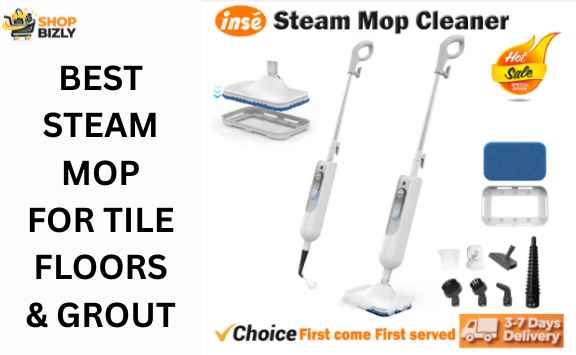
Deep Cleaning
Steam reaches small spaces that regular mops often miss.
Chemical-Free Cleaning
Plain water creates steam, reducing the need for strong cleaning chemicals.
Faster Drying
Unlike soaking the floor with a bucket mop, steam uses much less water.
Better Hygiene
High-temperature steam helps reduce many common household germs on properly sealed hard floors.
Easier Maintenance
Routine steam cleaning prevents heavy dirt buildup, making weekly cleaning much easier.
What Is the Best Mop for Tile Floors and Grout?
One of the most common questions homeowners ask is
What is the best mop for tile floors and grout?
The answer depends on your flooring type and cleaning needs.
For sealed ceramic tile, sealed porcelain tile, and similar hard surfaces, a quality steam mop is often considered one of the most effective choices because it combines heat, moisture, and microfiber cleaning into one simple process.
However, the best model should include several important features:
- Adjustable steam levels
- Washable microfiber pads
- Lightweight design
- Fast heat-up time
- Large enough water tank
- Comfortable swivel head
- Reliable steam output
These features make everyday cleaning quicker while helping remove stubborn dirt from grout lines.
Which Steam Mop Is Best for Tiles?
isAnother frequently asked question is:
Which steam mop is best for tiles?
Rather than focusing on a single brand, it’s better to evaluate each steam mop based on performance.
The best steam mop for tile floors and grout should provide consistent steam without leaving excessive moisture behind.
Look for models that include:
Adjustable Steam Settings
Different rooms require different steam levels.
Light dirt needs less steam.
Kitchen grease usually needs more.
High-Quality Microfiber Pads
Good microfiber traps loosened dirt instead of spreading it around.
Reusable pads also reduce long-term costs.
Swivel Steering
Cleaning around toilets, cabinets, furniture, and corners becomes much easier.
Quick Heat-Up Time
Waiting several minutes every time you clean becomes frustrating.
Many modern steam mops heat up within 20–30 seconds.
Comfortable Weight
A lightweight steam mop reduces arm fatigue during longer cleaning sessions.
best steam mop for tile floors and grout – Adjustable Steam Control
Not every tile floor requires maximum steam.
That’s why adjustable steam output is one of the first features experts recommend when shopping for the best steam mop for tile floors and grout.
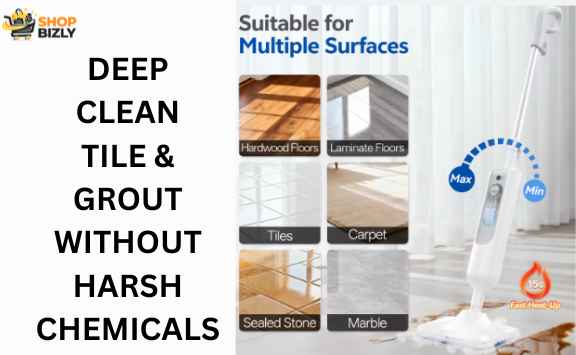
Lower steam works well for:
- Daily maintenance
- Light dust
- Recently cleaned floors
forHigher steam is better for:
- Sticky spills.
- Kitchen grease.
- Bathroom grime.
- Heavily soiled grout.
Being able to control steam also helps protect delicate sealed flooring while improving cleaning performance where extra power is needed.
Essential Feature #2 – Microfiber Cleaning Pads
Many buyers underestimate how important the cleaning pad actually is.
The steam loosens dirt.
The microfiber pad removes it.
Without a quality pad, even the best steam mop for tile floors and grout cannot perform at its full potential.
A good microfiber pad should:
- Absorb moisture quickly
- Trap dirt effectively
- Be machine washable
- Last through multiple cleaning cycles
- Glide smoothly across tile surfaces
Essential Feature #3 – Water Tank Capacity
A steam mop may heat up quickly, but if the water tank is too small, you’ll spend more time refilling than cleaning.
When searching for the best steam mop for tile floors and grout, choose a model with a water tank that matches the size of your home.
Small Water Tanks
Best for:
- Apartments
- Bathrooms
- Small kitchens
Medium Water Tanks
Best for:
- Average family homes
- Weekly cleaning routines
Large Water Tanks
Best for:
- Large homes
- Multiple rooms
- Deep cleaning sessions
Remember, a larger tank usually means slightly more weight, so look for a balance between capacity and comfort.
Essential Feature #4 – Steam Temperature and Cleaning Power
Many people believe that more steam automatically means better cleaning.
That’s not always true.
The best steam mop for tile floors and grout produces consistent steam at the right temperature instead of simply releasing large amounts of moisture.
Consistent steam helps:
- Break down grease.
- Loosen dried spills.
- Clean textured tile.
- Refresh grout lines.
- Remove everyday dirt more efficiently.
Too much moisture can leave floors wet, while too little steam may struggle with stubborn stains.
Finding the right balance is more important than choosing the hottest machine available.
Essential Feature #5 – Mop Head Design
The mop head plays a bigger role than most buyers realize.
A well-designed cleaning head allows the best steam mop for tile floors and grout to reach places that ordinary mops often miss.
like the following: Look for features like the following:
Swivel Steering
Makes it easier to clean:
- Around chair legs
- Kitchen islands
- Toilets
- Cabinets
- Furniture
Low-Profile Head
Slides under:
- Beds
- Sofas
- Cabinets
- Coffee tables
Wide Cleaning Path
A wider cleaning head covers more floor in less time, making weekly cleaning faster.
Essential Feature #6 – Cord Length
One of the most overlooked buying factors is cord length.
A short cord means constantly unplugging and reconnecting the steam mop.
For larger homes, the best steam mop for tile floors and grout should include a long power cord that allows you to move comfortably between rooms.
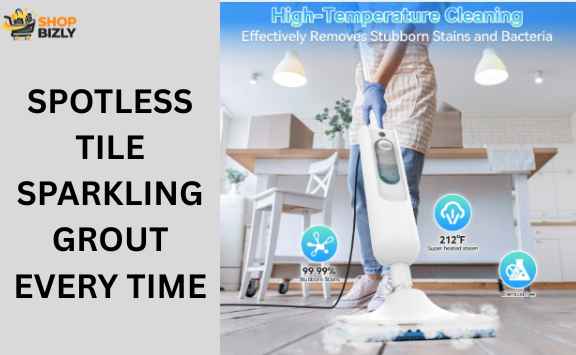
A longer cord also helps when cleaning:
- Hallways
- Entryways
- Dining rooms
- Open-concept living spaces
Many buyers don’t think about this until after purchasing.
Essential Feature #7 – Build Quality and Durability
A steam mop is an investment.
Choosing the cheapest option isn’t always the smartest decision.
The best steam mop for tile floors and grout should feel solid without being too heavy.
Pay attention to:
- Handle strength
- Water tank quality
- Locking mechanisms
- Pad attachment system
- Overall construction
Reading long-term customer reviews often reveals how well a steam mop holds up after months of regular use.
Common Mistakes People Make When Buying a Steam Mop
Many buyers focus only on price.
Unfortunately, that’s where problems begin.
Here are some common mistakes to avoid.
Buying Based Only on Discounts
A low price doesn’t always mean good value.
Poor steam performance often leads to frustration.
Ignoring Floor Compatibility
Always check whether your flooring is sealed before using steam.
Steam mops are generally recommended for sealed hard floors, not unsealed wood or unsealed grout.
Choosing the Wrong Pad
Cheap replacement pads may reduce cleaning performance significantly.
Quality microfiber makes a noticeable difference.
Forgetting About Replacement Parts
Before purchasing, check whether replacement pads and accessories are easy to find.
Expecting Instant Results
Even the best steam mop for tile floors and grout cannot restore years of neglected grout in one cleaning session.
Regular maintenance delivers the best results.
Expert Tips for Cleaner Tile Floors
Professional cleaners often follow a few simple habits that make a noticeable difference.
Vacuum First
Remove loose dirt before steaming.
Otherwise, debris can scratch tile surfaces during cleaning.
mop moving. Keep the mop moving.
Avoid leaving the steam mop in one place for too long.
Continuous movement helps clean evenly while protecting sealed flooring.
Wash Pads Frequently
Dirty pads simply move dirt around.
Always begin with a clean microfiber pad.
distilled water if recommended. Use distilled water if recommended.
Some manufacturers suggest distilled water to reduce mineral buildup and extend the life of the steam mop.
Clean Grout Regularly
Waiting until grout becomes black makes cleaning much harder.
Weekly steam cleaning prevents heavy buildup.
Is a Steam Mop Better Than a Traditional Mop?
For many households, the answer is yes.
A traditional mop often spreads dirty water across the floor.
In contrast, the best steam mop for tile floors and grout combines heat, moisture, and microfiber technology to loosen and lift dirt more effectively.
That doesn’t mean traditional mops are useless.
For large liquid spills, a regular mop may still be useful.
However, for routine maintenance, many homeowners find steam cleaning faster, more hygienic, and more convenient.
How to Maintain Your Steam Mop for Long-Lasting Performance
Buying the best steam mop for tile floors and grout is only the first step. Proper maintenance keeps your steam mop working efficiently for years.
Follow these simple maintenance tips:
water tank. Empty the water tank.
After every cleaning session, empty any remaining water. This helps prevent mineral buildup and keeps the tank fresh.
Wash Microfiber Pads
Always remove and wash the microfiber pads after use. Clean pads absorb dirt better and provide more effective cleaning during your next session.
steam nozzle. Check the steam nozzle.
If you notice reduced steam output, inspect the steam nozzle for mineral deposits or blockages. Follow the manufacturer’s cleaning instructions.
Store in a Dry Place
Allow the steam mop to cool completely before storing it. Keep it in a dry indoor area to protect electrical components.
Replace Worn Pads
Even high-quality microfiber pads wear out over time. Replacing them regularly helps maintain the cleaning performance of the best steam mop for tile floors and grout.
Final Buying Advice
Choosing the best steam mop for tile floors and grout doesn’t have to be complicated.
Instead of buying the first model you see, compare the features that matter most:
- Adjustable steam settings
- Quality microfiber pads
- Comfortable weight
- Fast heat-up time
- Large enough water tank
- Long power cord
- Easy maneuverability
- Reliable customer support
- Readily available replacement pads
A well-chosen steam mop will save time, reduce cleaning effort, and help keep your tile floors looking their best.
Whether you’re cleaning a busy kitchen, a family bathroom, or an entryway with heavy foot traffic, investing in the right steam mop can make weekly cleaning much easier.
Conclusion
Finding the best steam mop for tile floors and grout is about more than choosing the most expensive model. The right steam mop should match your home’s flooring, your cleaning routine, and your budget.
A quality steam mop can simplify everyday cleaning, refresh dirty grout lines, and reduce the need for harsh chemical cleaners. Features like adjustable steam control, washable microfiber pads, a lightweight design, and reliable performance are worth prioritizing.
If you take the time to compare features instead of focusing only on price, you’ll enjoy cleaner tile floors with less effort for years to come.
Frequently Asked Questions (FAQ)
1. What is the best mop for tile floors and grout?
The best option is typically a high-quality steam mop with adjustable steam settings, washable microfiber pads, and consistent steam output. It provides deeper cleaning than many traditional mops on sealed tile surfaces.
2. Which steam mop is best for tiles?
The ideal steam mop depends on your needs. Look for a model that offers adjustable steam levels, swivel steering, quality microfiber pads, and compatibility with sealed ceramic or porcelain tile floors.
3. Can I use a steam mop on ceramic tile?
Yes. Steam mops are generally safe for sealed ceramic tile when used according to the manufacturer’s instructions. Avoid prolonged steaming in one spot.
4. Does a steam mop really clean grout?
Yes. Hot steam helps loosen dirt, grease, and everyday grime trapped in grout lines. Regular steam cleaning can improve the appearance of grout over time.
5. Can I use a steam mop every week?
Absolutely. Weekly steam cleaning is a practical way to maintain sealed tile floors, remove light dirt, and prevent heavy buildup in grout lines.
Also, product