What Is a Steam Mop? 7 Amazing Benefits for Cleaner Floors
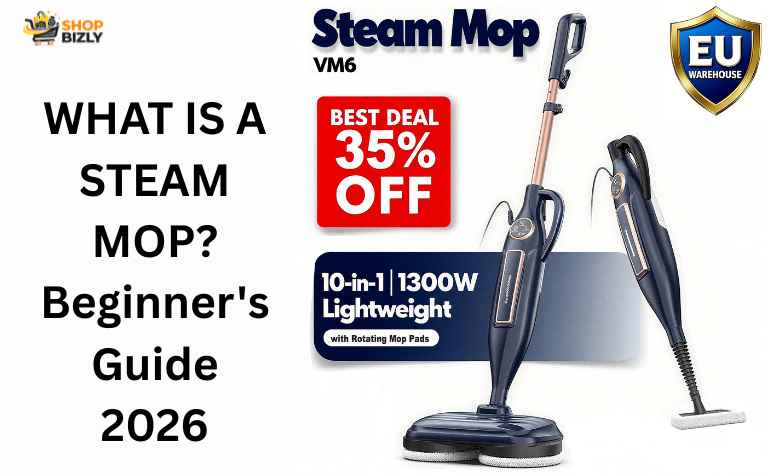
A steam mop is an electric floor-cleaning appliance that uses heated water to produce steam, helping loosen dirt, grime, and sticky messes from suitable hard-floor surfaces. Unlike a traditional mop, it typically uses a microfiber pad and little or no added cleaning solution.
Steam mops are popular because they can make routine floor cleaning faster and more convenient. However, steam is not suitable for every flooring material, and some manufacturers specifically advise against using steam on certain hardwood, laminate, or vinyl floors.
In this guide, we’ll explain how steam mops work, what they’re used for, which floors are suitable, their benefits and drawbacks, common mistakes, and how they compare with traditional mopping.
What Is a Steam Mop?
So, what is a steam mop?
A steam mop is an electric floor-cleaning appliance that uses heated water to produce hot steam. The steam loosens dirt, grease, and sticky messes while a microfiber cleaning pad lifts the debris from the floor.
Unlike a traditional mop that requires a bucket filled with water and cleaning chemicals, a steam mop only needs clean water. As the water heats inside the machine, it turns into steam that is released through the cleaning head onto the floor.
This process makes cleaning quicker, easier, and more environmentally friendly.
Many people choose a steam mop because it:
- Cleans using only water
- Removes stubborn dirt with less scrubbing
- Helps sanitize sealed hard floors
- Leaves little excess water behind
- Reduces the need for chemical cleaners
If you’ve been asking yourself, what is a steam mop? The simplest answer is this:
A steam mop is a floor-cleaning machine that uses hot steam instead of chemical cleaners to clean and freshen sealed hard floors.
How Does a Steam Mop Work?
Understanding what a steam mop is becomes much easier once you know how it works.
A steam mop follows a simple cleaning process:
Step 1: Fill the Water Tank
Most steam mops include a removable water tank. You simply fill it with clean water. Some manufacturers recommend distilled water to reduce mineral buildup.
Step 2: Heat the Water
Inside the steam mop is a heating element. It quickly heats the water until it becomes high-temperature steam.
Most models are ready within 20–60 seconds.
Step 3: Release Steam
Once heated, steam flows through small holes in the mop head.
The hot steam softens:
- Dirt
- Mud
- Sticky spills
- Grease
- Dried stains
Step 4: Microfiber Pad Removes Dirt
The microfiber pad traps loosened dirt while you push the mop across the floor.
Instead of spreading dirty water around like a traditional mop, the microfiber pad lifts and holds debris.
This cleaning method explains why so many homeowners now prefer steam cleaning over regular mopping.
What Is the Purpose of a Steam Mop?
One of the most common questions people ask is
One of the most common questions people ask is, “What is the purpose of a steam mop?”
The primary purpose of a steam mop is to clean sealed hard floors more effectively while reducing the need for chemical cleaners.
Steam mops are designed to:
Remove Dirt
Hot steam loosens dirt that sticks to the floor, making it much easier to wipe away.
Clean Sticky Messes
Food spills, dried juice, muddy footprints, and pet messes can often be removed with less effort than using a traditional mop.
Refresh Floors
Steam helps freshen floors and removes buildup that regular mopping may leave behind.
Reduce Chemical Use
One of the biggest reasons people buy a steam mop is that it works using only water.
This makes it an attractive option for families trying to reduce exposure to household cleaning chemicals.
Save Time
Most steam mops heat up quickly and dry faster than bucket mopping, allowing you to finish cleaning in less time.
When someone asks, What is the purpose of a steam mop? , the answer is simple:
It provides a faster, more convenient, and more hygienic way to clean sealed hard flooring using the power of steam.
Is Steaming Floors Better Than Mopping?
Want a detailed comparison? Read our Steam Mop vs. Regular Mop guide.
Is steaming floors better than mopping?
The answer depends on your flooring type and cleaning needs.
For many sealed hard floors, steam cleaning offers several advantages over traditional mopping.
Steam Mop Advantages
- Uses only water
- Leaves less standing water
- Dries faster
- Removes sticky dirt more easily
- No heavy bucket to carry
- Microfiber pads trap dirt instead of spreading it
Traditional mops, however, may still be better for:
- Large liquid spills
- Waxed wood floors
- Unsealed hardwood
- Delicate flooring materials that cannot tolerate heat or moisture
For everyday maintenance of sealed floors, many homeowners find steam mops more convenient and efficient than traditional mops.
However, it’s always important to check your flooring manufacturer’s recommendations before using steam, especially on hardwood, laminate, or luxury vinyl plank (LVP), as some warranties may advise against steam cleaning.
What Floors Can You Use a Steam Mop On?
Not every floor is suitable for steam cleaning. Knowing where you can safely use a steam mop helps protect your flooring investment.
Great for:
- Ceramic tile
- Porcelain tile
- Sealed stone
- Sealed hardwood (if approved by the manufacturer)
- Sealed laminate (manufacturer permitting)
- Sealed vinyl flooring
Avoid Using a Steam Mop On:
- Unsealed hardwood
- Waxed wood floors
- Cork flooring without proper sealing
- Delicate natural wood
- Carpet (unless using a carpet-glider attachment designed for refreshing carpets)
Choosing the right surface is just as important as understanding what a steam mop is. Using steam on an unsuitable floor can cause moisture damage or void a flooring warranty.
Key Benefits of Using a Steam Mop
Now that you know what is a steam mop, let’s explore why it has become one of the most popular floor-cleaning tools for modern homes.
A quality steam mop offers much more than convenience. It can help you save time, reduce chemical use, and keep sealed floors looking their best.
1. Cleans Without Harsh Chemicals
One of the biggest advantages of using a steam mop is that it relies on water instead of chemical cleaners.
As the water heats up, it creates hot steam that loosens dirt and grime. This means you don’t need to buy multiple floor-cleaning solutions for everyday cleaning.
Many families appreciate this because it reduces chemical residue on floors where children and pets spend time.
2. Removes Everyday Dirt More Easily
Sticky footprints, kitchen grease, dried spills, muddy shoes, and pet messes can be difficult to clean with a traditional mop.
A steam mop softens these messes before the microfiber pad wipes them away, reducing the amount of scrubbing required.
This makes routine floor cleaning much less tiring.
3. Dries Floors Faster
Traditional mopping often leaves a lot of water behind.
A steam mop uses only a small amount of water, so floors usually dry much faster.
Quick drying helps reduce slippery surfaces and allows you to walk on the floor sooner.
4. Helps Freshen Sealed Floors
Over time, dirt and residue can build up on hard floors.
Regular steam cleaning helps remove this buildup and leaves many sealed floors looking cleaner and brighter.
When used correctly, a steam mop can restore the fresh appearance of tile, stone, and other sealed hard surfaces.
5. Lightweight and Easy to Use
Most modern steam mops are designed to be lightweight.
Compared to carrying a heavy bucket of water around the house, pushing a steam mop feels much easier.
Many models also swivel around furniture, making it easier to clean corners and tight spaces.
Steam Mop vs Regular Mop
Want a more detailed comparison? Read our Steam Mop vs. Regular Mop guide.
If you’re still wondering what a steam mop is and whether it’s worth buying, comparing it with a regular mop can help.
| Feature | Steam Mop | Traditional Mop |
|---|---|---|
| Cleaning Method | Hot steam | Water and cleaning solution |
| Chemicals Required | Usually no | Usually yes. |
| Drying Time | Fast | Slower |
| Bucket Needed | No | Yes. |
| Removes Sticky Dirt | Very good | Moderate |
| Daily Convenience | Excellent | Average |
| Eco-Friendly | Yes. | Depends on the cleaner |
| Best For | Sealed hard floors | Most floor types with proper cleaning |
For many households, a steam mop offers a faster and more convenient cleaning experience.
However, a traditional mop is still useful for soaking up large liquid spills before steam cleaning.
Pros and Cons of Using a Steam Mop
Like any cleaning appliance, a steam mop has both advantages and disadvantages.
Understanding both sides helps you decide whether it’s the right choice for your home.
Pros
✔ Uses only water for most cleaning tasks
✔ Helps loosen stubborn dirt
✔ Quick heat-up time
✔ Lightweight and easy to maneuver
✔ Faster drying floors
✔ Reduces the need for chemical cleaners
✔ Reusable microfiber pads save money over time
✔ Ideal for regular maintenance cleaning
Cons
✘ Not suitable for every type of flooring
✘ Requires electricity
✘ Water tank may need refilling for larger homes
✘ Microfiber pads need regular washing.
✘ Some tough stains may still require manual scrubbing.
✘ Can damage unsealed or moisture-sensitive flooring if used incorrectly
Knowing these pros and cons makes it easier to understand what a steam mop is and how it fits into your cleaning routine.
Common Steam Mop Mistakes to Avoid
Even the best steam mop won’t perform well if it’s used incorrectly.
Here are some of the most common mistakes to avoid.
What Can You Put in a Steam Mop?
In most cases, you should use only the type of water recommended by the steam mop manufacturer. Unless the manual specifically says otherwise, don’t add floor cleaner, vinegar, essential oils, bleach, or other chemicals to the water tank. These substances may damage internal components or affect the warranty.
Always check the owner’s manual for your specific model.
Using It on Unsealed Floors
Steam can force moisture into unsealed wood or damaged flooring.
Always check your floor manufacturer’s cleaning recommendations before using steam.
Skipping Vacuuming First
A steam mop is designed to clean—not pick up large debris.
Always sweep or vacuum first to remove the following:
- Dust
- Hair
- Sand
- Crumbs
- Pet fur
This helps prevent the microfiber pad from spreading loose dirt.
Leaving the Mop in One Spot
Holding the steam mop still for too long can expose one area to excessive heat and moisture.
Instead, keep the mop moving with smooth, steady strokes.
Using a Dirty Mop Pad
A dirty microfiber pad can’t clean effectively.
Wash reusable pads after each cleaning session and replace worn-out pads when necessary.
Adding Cleaning Chemicals to the Water Tank
Many manufacturers recommend using only water.
Adding chemicals or essential oils may damage internal components and could void the warranty.
Always follow the manufacturer’s instructions for your specific model.
Tips for Getting the Best Results With a Steam Mop
If you want consistently clean floors, follow these simple tips.
Sweep First
Removing loose debris before steaming helps the microfiber pad work more efficiently.
Use Distilled Water (If Recommended)
If you live in an area with hard water, distilled water may reduce mineral buildup inside the steam mop.
Check your owner’s manual before switching.
Wash Microfiber Pads Regularly
Clean pads absorb dirt much better than dirty ones.
Having two or three spare pads makes cleaning larger homes easier.
Work in Small Sections
Instead of cleaning the entire room at once, divide it into smaller areas.
This helps ensure every section receives even steam coverage.
Don’t Rush
Move the steam mop slowly enough for the steam to loosen dirt, but don’t leave it sitting in one place.
A steady pace produces the best cleaning results.
Store It Properly
After cleaning:
- Empty any remaining water if recommended by the manufacturer.
- Allow the mop to cool completely.
- Wash the microfiber pad.
- Store the steam mop in a dry place.
Proper maintenance can extend the life of your steam mop and keep it performing efficiently.
How to Choose the Best Steam Mop
After learning what a steam mop is, the next step is choosing the right one for your home. Not all steam mops offer the same features, so it’s worth comparing a few key points before making a purchase.
Adjustable Steam Settings
Different floor types require different amounts of steam.
A model with adjustable steam levels gives you better control, allowing you to use less steam on delicate sealed floors and more steam on heavily soiled tile.
Water Tank Capacity
A larger water tank lets you clean for a longer time without stopping to refill it.
If you have a large home, choosing a steam mop with a bigger tank can make cleaning much more convenient.
Heat-Up Time
Most modern steam mops heat up in 20 to 60 seconds.
A quick heat-up time means you can start cleaning almost immediately, making routine chores faster.
Microfiber Pads
Look for reusable, machine-washable microfiber pads.
They are more cost-effective than disposable pads and continue to clean well when properly maintained.
Weight and Maneuverability
A lightweight steam mop is easier to carry upstairs and move around furniture.
Features like a swivel steering head can also make cleaning corners and tight spaces much easier.
Extra Attachments
Some steam mops include accessories such as
- Carpet gliders
- Grout brushes
- Window cleaning tools
- Handheld steam attachments
- Upholstery accessories
If you want one machine for multiple cleaning tasks, these extras can add excellent value.
What is a steam mop? Who Should Consider a Steam Mop?
A steam mop isn’t necessary for every home, but it’s an excellent choice for many households.
A steam mop may be ideal if you:
- Have mostly sealed hard floors.
- Want to reduce the use of chemical cleaners.
- Need a quicker way to clean everyday messes.
- Have children or pets and clean frequently.
- Prefer reusable cleaning pads over disposable products.
- Want a lightweight alternative to traditional mopping.
However, if your home has mostly unsealed hardwood, waxed wood, or other moisture-sensitive flooring, you should follow the flooring manufacturer’s cleaning recommendations before using steam.
Final Thoughts
So, what is a steam mop?
A steam mop is a convenient floor-cleaning appliance that uses heated water to produce steam, helping loosen dirt and clean sealed hard floors with minimal water and without the need for most chemical cleaners.
Throughout this guide, we’ve explored what a steam mop is, what the purpose of a steam mop is, and whether steaming floors is better than mopping. While a steam mop isn’t suitable for every type of flooring, it can be an excellent choice for sealed tile, stone, vinyl, and other approved hard surfaces.
If you’re looking for a faster, more convenient way to maintain clean floors, a quality steam mop is worth considering. Just remember to choose a model that suits your flooring, use it according to the manufacturer’s instructions, and keep the microfiber pads clean for the best results.
By understanding what a steam mop is and using it correctly, you can enjoy cleaner-looking floors with less effort as part of your regular home cleaning routine.
Steam Mop FAQs (FAQs)
1. What is a steam mop used for?
A steam mop is used to clean sealed hard floors using hot steam and a microfiber pad. It helps remove dirt, grime, and sticky messes while reducing the need for chemical cleaners.
2. Is steaming floors better than mopping?
For many sealed hard floors, steam cleaning can be more convenient because it uses less water, dries faster, and loosens stubborn dirt more effectively. However, traditional mopping may still be better for large liquid spills or flooring that isn’t suitable for steam.
3. What is the purpose of a steam mop?
The purpose of a steam mop is to provide a quick, efficient, and easy way to clean sealed hard floors using the cleaning power of heated steam instead of relying on chemical cleaning products.
4. Can you use a steam mop on hardwood floors?
You should only use a steam mop on sealed hardwood floors if the flooring manufacturer specifically approves steam cleaning. Steam should never be used on unsealed or waxed hardwood floors.
5. Do steam mops disinfect floors?
The hot steam produced by many steam mops can help reduce certain germs and bacteria on properly cleaned, sealed hard floors when used according to the manufacturer’s instructions. However, effectiveness depends on factors such as steam temperature, contact time, and the specific model, so you should not assume every steam mop fully disinfects all surfaces.